

Rising Rates of Aggressive Breast Cancer in Younger Women: Implications for Molecular Diagnostics and Research
Recent data presented at the Radiological Society of North America (RSNA) and reported by ScienceDaily highlight a significant and concerning shift in breast-cancer epidemiology: younger women are increasingly being diagnosed with aggressive, invasive tumors. This trend raises important questions for molecular researchers, diagnostic laboratories, and oncology-focused institutions.
A Noticeable Shift in Early-Onset Breast Cancer
Across seven outpatient breast-imaging centers in Western New York, researchers analyzed cases from 2014 to 2024 and found that 20–24% of all breast cancers occurred in women aged 18–49.
Perhaps most striking, the average age of diagnosis was just 42.6, with confirmed cases as young as 23.
But the most consequential aspect for the scientific community is this:
Over 80% of the tumors identified in this younger cohort were invasive.
The study further notes a higher-than-expected number of hard-to-treat subtypes, including triple-negative breast cancer (TNBC), which disproportionately affects younger women and is associated with rapid progression and fewer therapeutic options.
As lead investigator Dr. Stamatia Destounis explained:
“A significant proportion of cancers are diagnosed in women under 40, a group for whom there are no screening guidelines at this time.”
This lack of screening infrastructure, combined with biological aggressiveness, places additional weight on the diagnostic and scientific community to adapt.
What This Means for Molecular Biology and Diagnostics
- Greater Demand for Precision Molecular Characterization
The high rate of invasiveness in younger patients underscores the increasing need for comprehensive molecular profiling.
This includes:
- DNA sequencing for hereditary predisposition (BRCA1/2 and beyond)
- Transcriptomic signatures associated with aggressive phenotypes
- Biomarker panels for TNBC and other high-risk subtypes
- Emerging proteomic patterns indicative of early invasion
As early-onset cancers often differ in their molecular landscapes from post-menopausal cases, research teams may need to reassess which markers are most predictive in this demographic.
- Expanding the Role of Risk-Based Screening Models
Since most screening guidelines begin at age 40 or 50, younger women frequently fall outside routine monitoring. For diagnostics developers and clinical labs, this creates an opportunity — and a scientific challenge — to strengthen risk-stratified approaches, incorporating:
- Genetic risk modeling
- Family-history algorithms
- Polygenic risk scores
- AI-driven imaging combined with molecular data
The convergence of imaging and molecular diagnostics may become particularly valuable for identifying early signs of tumor development in women not typically screened.
- Laboratory Workflow Considerations for High-Aggressiveness Tumors
Invasive and rapidly progressing tumors place additional demands on pathology and molecular workflows, including:
- Faster turnaround for biomarker-driven treatment decisions
- Increased reliance on multiplex assays
- Standardization of sample preparation for high-sensitivity downstream analysis
- Quality-control frameworks optimized for oncology markers
For labs involved in molecular diagnostics or translational research, these trends signal a future where early-onset breast cancer plays a more prominent role in assay development and validation.
- Research Opportunities: Understanding Aggressiveness in Younger Tissue Biology
The shift also prompts deeper scientific questions:
- Are there age-specific genomic or epigenomic signatures driving aggressiveness?
- Does breast tissue microenvironment differ meaningfully in younger women?
- What roles do endocrine factors, environmental exposures, or immune dynamics play?
Targeted research in these areas could accelerate the development of earlier detection tools and more personalized therapeutic strategies.
Conclusion
The rise of aggressive breast cancer in younger women is more than a clinical observation — it is an emerging scientific and diagnostic challenge that demands a recalibration of current approaches. Whether in molecular research, biomarker development, diagnostic assay design, or pathology workflows, this trend underscores the importance of early detection, refined molecular characterization, and a deeper investigation into the biological underpinnings of early-onset disease.
As Dr. Destounis emphasized:
“We can’t rely only on age to decide who should be screened.”
This shift calls for collaboration across imaging, molecular diagnostics, genomics, and oncology research to better understand and detect these increasingly prevalent early-onset, high-risk cancers.
Pro Lab Supply remains committed to supporting the scientific teams driving early detection and precision medicine. Discover the lab tools and reagents designed for your work.
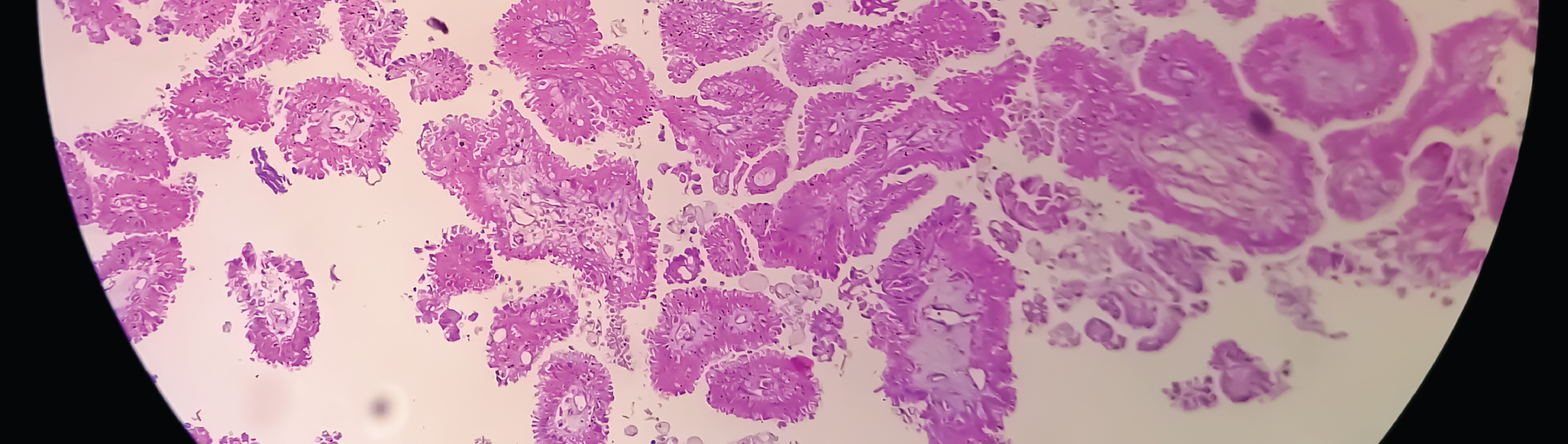
Source: Radiological Society of North America. “Doctors are seeing more aggressive breast cancer in younger women than expected.” ScienceDaily, December 1, 2025.