

Understanding how viruses interact with the immune system has always depended on how accurately we can study their surface proteins. A recent breakthrough from Scripps Research Institute introduces a new way to do just that—by recreating viral proteins in a form that closely mimics their natural environment.
This advancement could significantly improve how researchers study antibody responses and design next-generation vaccines.
The Challenge: Studying Incomplete Viral Models
For decades, virology and immunology research have relied on simplified versions of viral surface proteins. These lab-generated proteins are typically modified to make them easier to isolate and analyze—but at a cost.
Key regions, particularly those embedded in the viral membrane, are often removed. As a result, these models may not fully reflect how proteins behave during real infections.
This limitation has been especially problematic for viruses like HIV and Ebola, where immune evasion strategies are complex and poorly understood.
A More Realistic Approach: Nanodisc Technology
The new platform addresses this gap using nanodisc technology—small, lipid-based particles that simulate the viral membrane.
By embedding viral proteins into these nanodiscs, researchers can preserve their native structure and spatial orientation. This creates a more physiologically relevant model for studying virus–antibody interactions.
“Our platform lets us study these proteins in a setting that better reflects their natural environment,” said William Schief.
This approach provides a clearer view of how antibodies recognize and bind to viral targets—particularly in regions that were previously difficult to study.
Key Findings: Hidden Vulnerabilities Revealed
Using this system, researchers examined proteins from HIV and Ebola and uncovered previously hidden interactions between antibodies and viral surfaces.
Traditional models had overlooked these interactions because they lacked the membrane context that influences protein structure and accessibility.
With nanodiscs, scientists can now:
- Capture membrane-proximal epitopes more accurately
- Study antibody binding in a native-like conformation
- Identify new potential targets for neutralizing antibodies
These insights could reshape how vaccine candidates are designed and evaluated.
Broad Applicability Across Virology
While the study focused on HIV and Ebola, the implications extend far beyond these viruses.
Many clinically relevant pathogens—including influenza and SARS-CoV-2—rely on membrane-bound proteins for cell entry. The nanodisc platform provides a versatile tool for studying these targets under more realistic conditions.
Importantly, the system is compatible with standard laboratory workflows, including:
- Antibody binding assays
- Immune cell sorting
- High-resolution imaging techniques
This makes it accessible for integration into existing research pipelines without requiring extensive infrastructure changes.
Why This Matters for Labs and Translational Research
For molecular biology and biotechnology labs, this development highlights a critical shift: model accuracy is becoming just as important as experimental throughput.
More representative systems can lead to:
- Better predictive value in early-stage research
- Reduced downstream failure in vaccine development
- Improved identification of high-quality therapeutic targets
For laboratory managers and procurement teams, this also underscores the growing demand for:
- Advanced lipid-based systems and reagents
- High-resolution imaging compatibility
- Flexible platforms that support translational workflows
Looking Ahead
As vaccine development increasingly targets structurally complex viruses, tools that preserve biological realism will be essential.
Nanodisc-based platforms offer a promising path forward—bridging the gap between simplified lab models and real-world viral behavior.
For researchers, the message is clear: seeing viruses as they truly are may be the key to stopping them more effectively.
As research continues to move toward more physiologically relevant models, Pro Lab Supply remains focused on helping laboratories access the tools and expertise needed to keep pace with innovation.
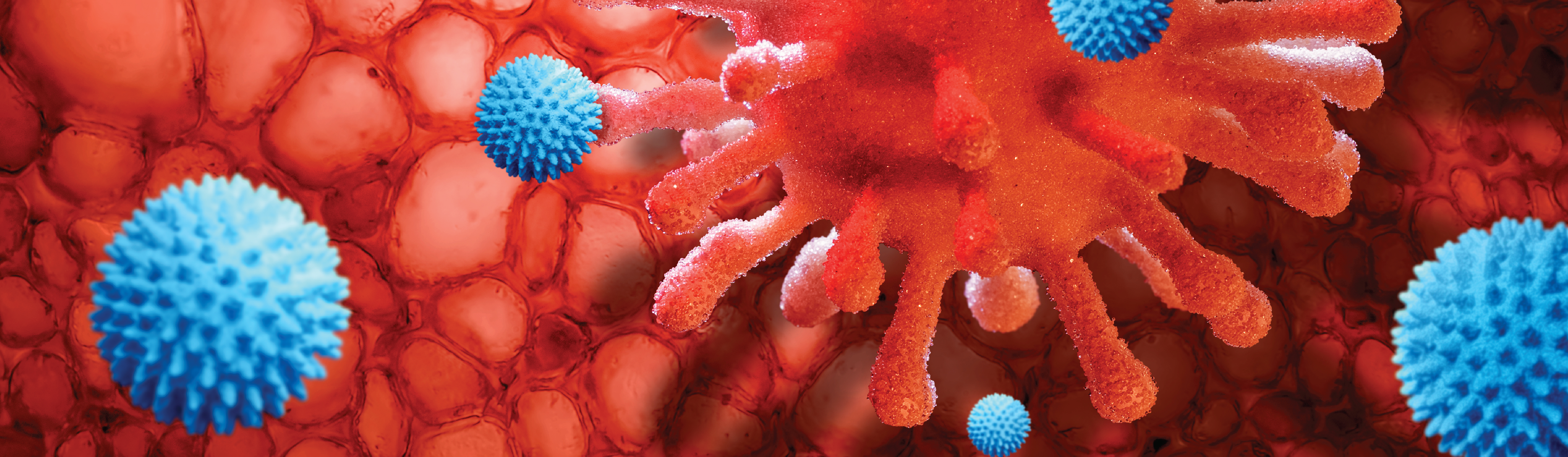
Source: ScienceDaily (Apr 12, 2026). Hidden weak spots in HIV and Ebola revealed with nanodisc technology.